
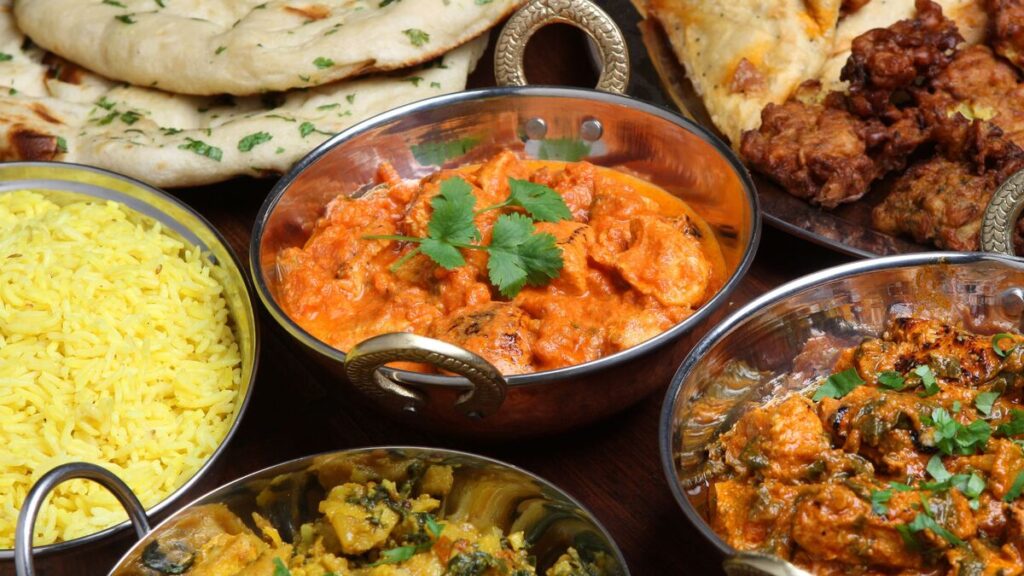
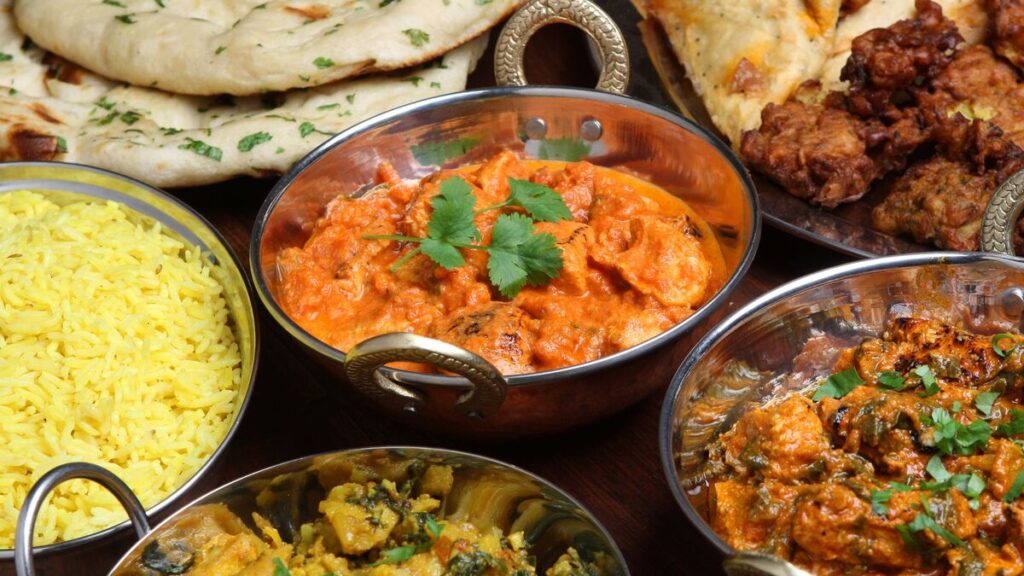
One morning Tanisha Singh was making a curry for her lunch when she realised she was out of tomatoes. Local shops were closed, so she ordered them on a delivery app. Eight minutes later the tomatoes arrived at her door. In Delhi and other big Indian cities, this speed is now normal. Groceries, drinks, books and even electronics can reach homes in minutes. Services like Blinkit, Swiggy, Instamart and Zepto use small “dark stores” inside neighbourhoods. These mini-warehouses are designed for fast picking and quick delivery, not for customers to browse.

Inside the store, vegetables, freezer items, snacks and drinks are neatly stacked on narrow racks. Only workers can move through the aisles, picking and packing orders almost instantly.
“Done in under a minute,” says manager Sagar. Delivery riders arrive just as orders are ready.
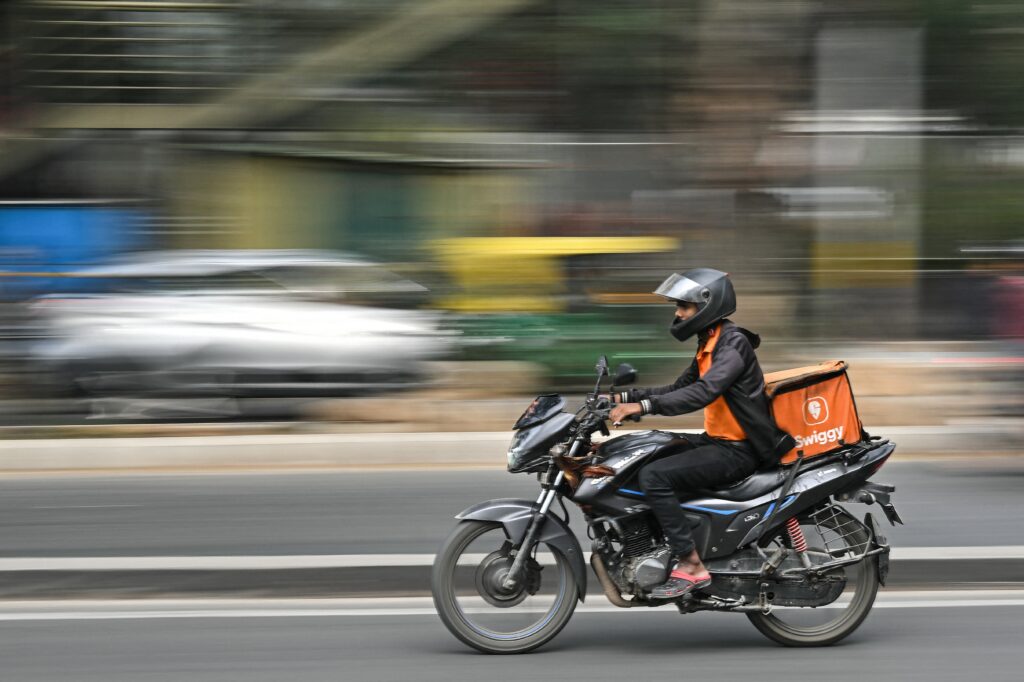
Muhammad Faiyaz Alam, a 26 year old rider, delivers a bag 2.2km away in about six minutes. In dense Delhi neighbourhoods, proper addresses are rare, so drop-offs rely on landmarks like “near the blue gate” or “behind the chemist.”
Alam calls the customer, follows their directions, and eventually finds the right door.
From order to doorstep the entire process takes 16 minutes. For each delivery, Alam earns 31 rupees (£0.25; $0.30). He does not waste time after completing an order and quickly returns to the dark store where another order is already waiting. This cycle repeats for hours, broken only by short food breaks.
The fast pace is closely linked to how riders are paid. Alam says he tries to complete around 40 deliveries a day. On a good day he earns between 900 and 1,000 rupees after spending on fuel and food. But his income changes constantly depending on order volume, distance, and app incentives.
He is one of millions working in India’s fast-growing gig economy, which could employ 23.5 million people by 2030. Low-paid convenience work is not new in India, but the scale has grown rapidly in recent years. Digital platforms have turned informal deliveries into a vast app-driven workforce managed by algorithms.
Like most gig workers, Alam is classified as a “partner” rather than an employee. He has no fixed salary, paid leave, or social security. Although the government has promised labour reforms to provide basic protections, they have not yet been implemented.

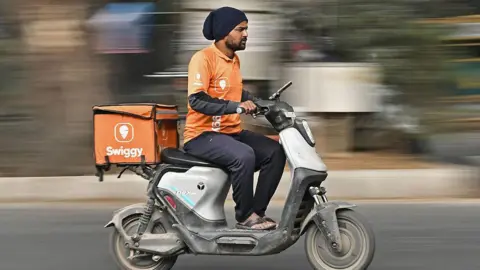
Each day Alam, like many other riders, logs into the app and books his work slots, also called “gig slots.”
The idea is simple: the more deliveries riders complete during these slots, the more “streak” incentives they earn. These bonuses increase pay and reward longer hours. Alam says that in December he earned an extra 16,000 rupees through incentives alone. He completed over 1,000 orders and worked 406 hours that month.
But the system can fall apart quickly for drivers.
Earlier this month Alam’s phone was stolen in the middle of a shift. He had already worked five consecutive days for more than 12 hours and was just two days away from earning another 5,000-rupee incentive. Without his phone he could not log in and his streak reset instantly.
I was sad for a few days, Alam says. But what can I do? At least I got the standard pay.
This incentive system is not unique to India, but it is made harsher by the large supply of labour and weak worker protections, says researcher and author Vandana Vasudevan.
These workers are classified as independent contractors, not salaried employees, she explains. They have no social security or benefits, yet algorithms control their work through ratings, penalties, and pay.