
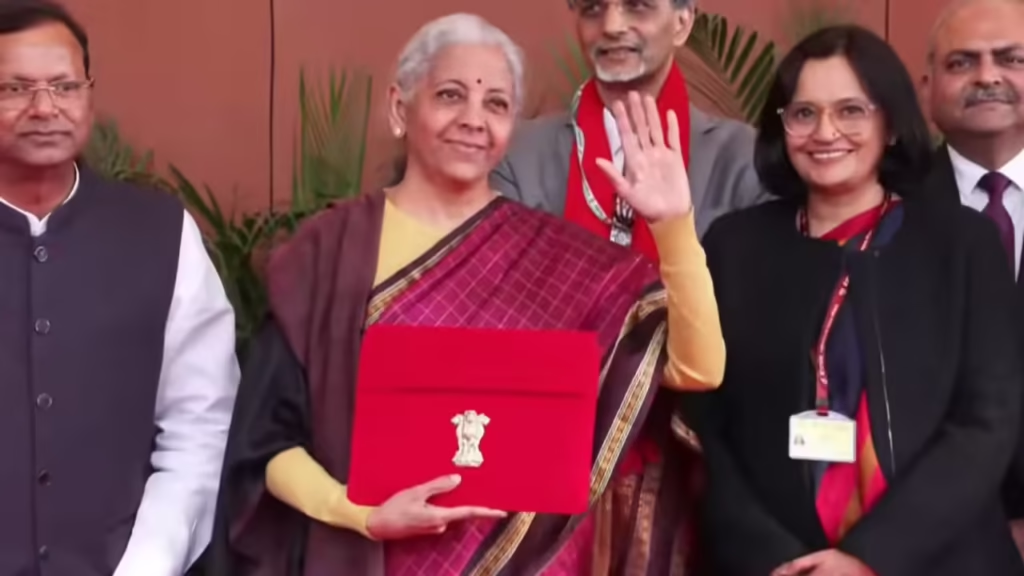
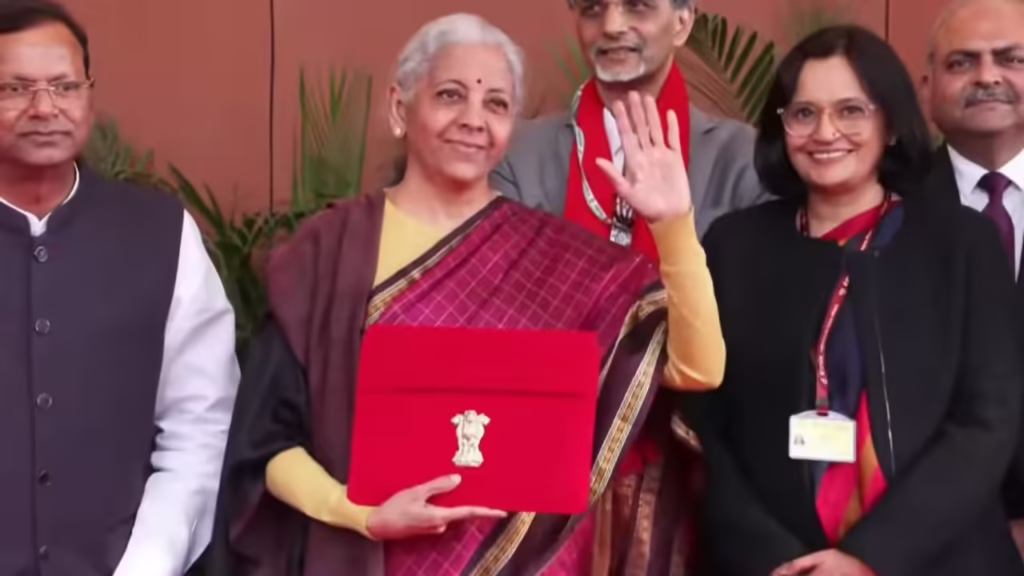
India Finance Minister Nirmala Sitharaman has presented the annual budget for 2026 27. She announced more spending on infrastructure and steps to support local manufacturing as global uncertainties rise.
India is expected to finish this financial year with seven point four percent GDP growth according to the Economic Survey. Economic growth is expected to slow slightly next year as US President Donald Trumps fifty percent tariffs on Indian exports take a bigger impact.
The budget focuses on controlling spending and aims to reduce the fiscal deficit in the coming year. The fiscal deficit is the difference between the governments total spending and its total income.
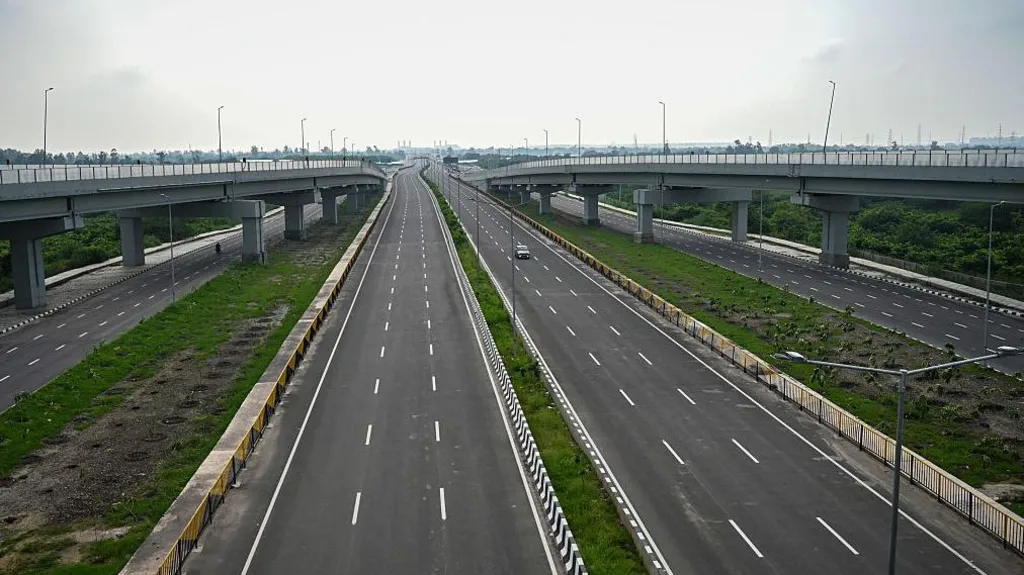
Infrastructure projects like roads ports and railways have been a key focus of the Narendra Modi government for the last ten years. This budget continues to increase funding for these areas.
The target for capital spending in the new financial year starting 1 April has risen about nine percent to twelve point two trillion rupees which is one hundred thirty three point one billion dollars or one hundred five billion pounds from eleven point one trillion rupees.
Spending on defence has also increased by more than twenty percent amid rising global geopolitical tensions.
No new tax
With exports slowing due to US tariffs India has proposed increasing limits on duty free inputs for industries like seafood which are major export sectors. Customs duty exemptions have also been given for materials used to make lithium ion batteries.
No direct tax cuts have been announced for personal incomes. This was expected because Modi government had raised income tax exemption limits last year making earnings up to 1.2 million rupees tax free excluding special income like capital gains. The government also simplified the goods and services tax leaving little room for new cuts
Markets disappointed
Even with clear signals on fiscal discipline the financial markets which were open for special trading on Sunday because of the budget fell sharply. This was after the government raised the Securities Transaction Tax or STT on futures and options trading.
Shripal Shah managing director and CEO of Kotak Securities said that coming after last year’s increase this is likely to raise costs for traders hedgers and arbitrageurs. He added that it could slow derivative activity and reduce trading volumes.